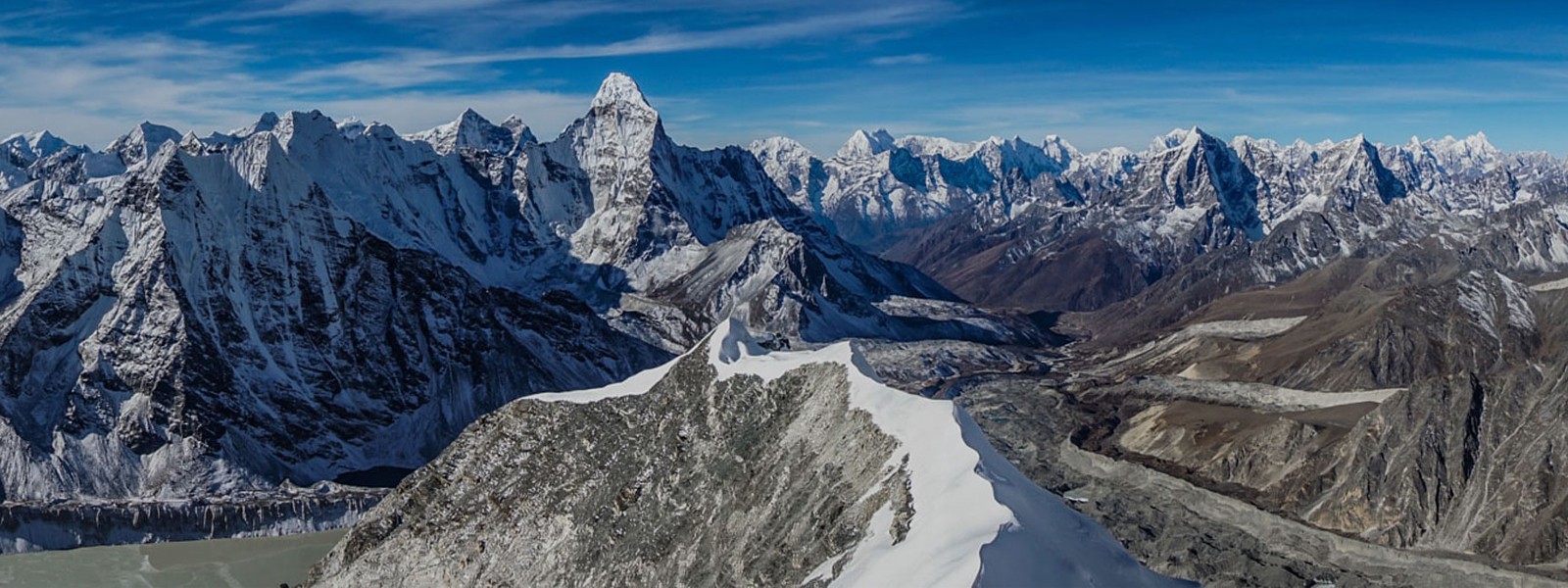
Island Peak Climbing is an exciting Himalayan adventure that takes you through some of the most spectacular high-altitude passes in the Everest region, including Renjo La Pass (5,338m), Cho La Pass (5,420m), and Kala Patthar (5,545m). Along the way, you also get the opportunity to experience the rich and unique Sherpa culture, adding a deep cultural dimension to the journey. This expedition is an excellent way to build confidence and gain practical mountaineering experience for future high-altitude climbs.
Island Peak, also known locally as Imja Tse, is one of the most popular trekking peaks in Nepal’s Everest region. Standing at 6,189 meters above sea level, it offers a physically challenging but technically moderate climb, making it ideal for fit and energetic adventurers who are new to mountaineering.
Trip Info
-
Hotel, Tea House
-
Spring, Autumn
-
6,189 meters
-
5-7 Hours
-
Fly, Bus, Taxi
Overview
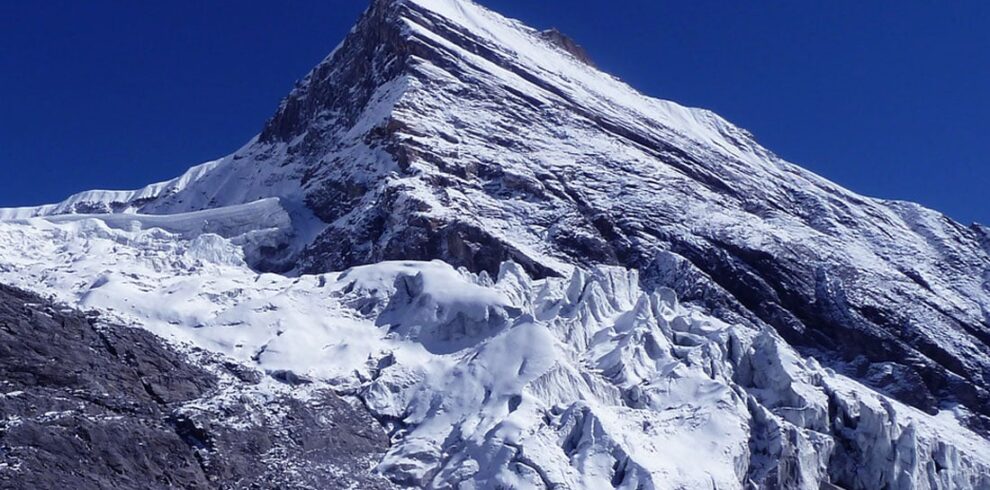
The peak was named “Island Peak” in 1951 by British mountaineer Eric Shipton, as it appears like an island rising from a sea of ice when viewed from Dingboche. Surrounded by massive glaciers and towering peaks above 7,000 and 8,000 meters, Island Peak stands as a striking and iconic climbing destination in the Himalayas.
Trip Highlights
- Reach the Island Peak (Imja Tse) Summit at 6,189 meters, offering an unforgettable Himalayan climbing experience.
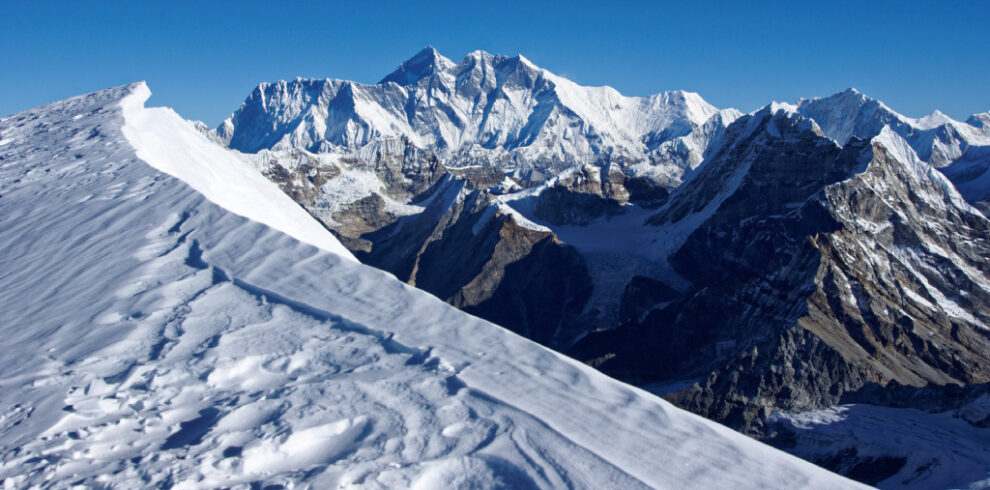
- Panoramic views of majestic peaks including Mount Makalu (8,475m), Baruntse (7,129m), Ama Dablam (6,812m), and many other surrounding giants.
- The peak was named “Island Peak” in 1951 by Eric Shipton, as it appears like an island rising from a sea of ice.
- Stunning views of iconic mountains such as Mount Everest, Lhotse, Nuptse, Changtse, Pumori, Ama Dablam, Thamserku, Kangtega, Taboche, and Lobuche from Kala Patthar (5,545m).
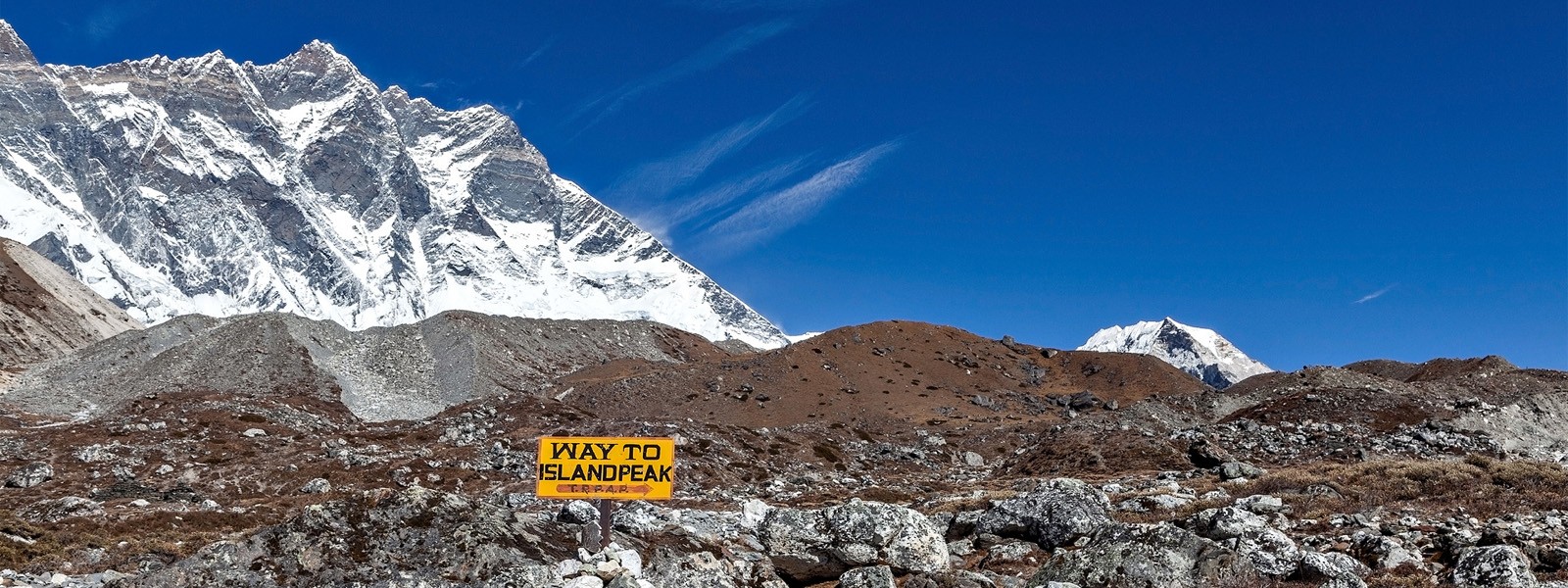
- Close-up vistas of massive Himalayan walls including Nuptse (7,879m), Lhotse (8,501m), Lhotse Middle (8,410m), and Lhotse Shar (8,383m).
- Spectacular scenery of the Khumbu Icefall and surrounding glaciers, showcasing the raw beauty of Everest region.
- Explore rich biodiversity and unique Himalayan flora and fauna inside the Sagarmatha National Park.